
Material Guides · 6 min read
Washed Sand vs Unwashed Sand
A practical comparison of washed and unwashed sand for Zanzibar construction — differences in quality, applications, cost, and how to choose the right type for your project.
Published Mar 2026 · Zanzibaba Procurement Team
Table of contents
- What is the difference between washed and unwashed sand
- When to use washed sand
- When to use unwashed sand
- Impact on concrete quality
- Impact on plastering and rendering
- Cost comparison and procurement advice
SITE EVIDENCE
Washed Sand Stockpile
Clean washed sand stockpiles are screened and verified before use in concrete, mortar, plaster and screeding.
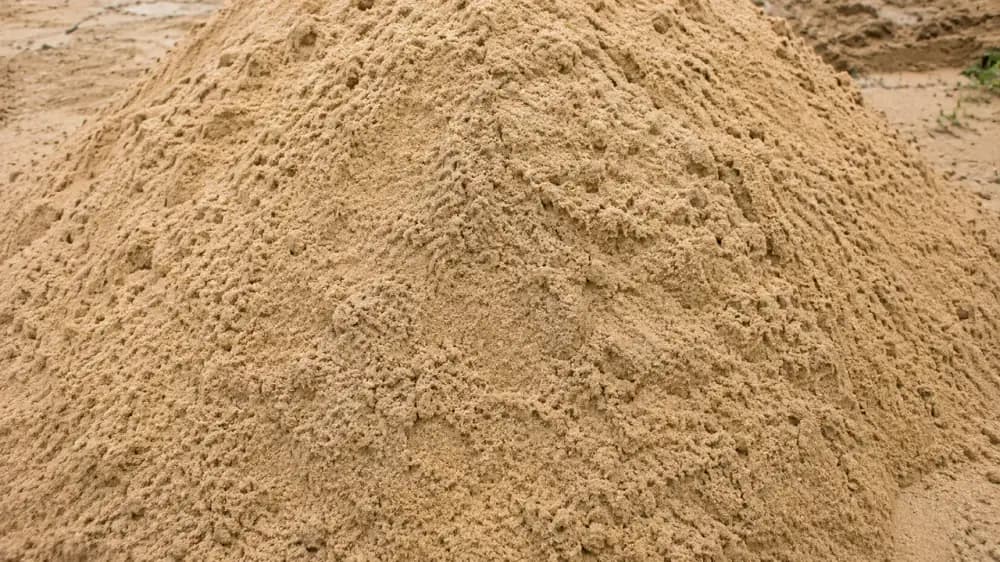
Washed Sand Stockpile Zanzibar
Laboratory-verified washed sand stockpile — salt-free, silt-free and ready for durable concrete production.
What is the difference between washed and unwashed sand
Washed sand has been processed through a washing system that removes silt, clay, organic matter, and fine particles. Unwashed sand (also called raw or pit sand) contains these natural impurities along with the sand grains.
The washing process produces cleaner, more consistent sand with controlled particle size distribution. Unwashed sand varies more in quality depending on the source location and extraction method.
In Zanzibar, sand is sourced from riverbeds, quarries, and coastal deposits. The degree of natural contamination varies significantly between sources, making the washed vs unwashed distinction important for project quality.
When to use washed sand
Washed sand is required for: structural concrete (foundations, columns, beams, slabs), plastering and rendering (where surface finish matters), mortar for block work and brickwork, screeding and floor finishing, and any application where consistency and cleanliness are critical.
The cleaner particle distribution in washed sand produces stronger concrete and smoother plaster. Silt and clay in unwashed sand interfere with cement bonding, reducing strength and causing surface defects.
For quality concrete, washed sand is the standard specification. Sand procurement should specify washed sand for structural applications.
When to use unwashed sand
Unwashed sand has legitimate uses in construction: backfilling around foundations, bedding for pipes and cables, levelling and filling, general site works, and non-structural applications where contamination is not critical.
Unwashed sand is typically cheaper than washed sand because it requires no processing. For bulk fill applications where quality is not critical, unwashed sand provides cost savings.
However, never use unwashed sand for concrete, plaster, mortar, or any application where cement bonding or surface finish is important. The silt and clay content will compromise the result.
Impact on concrete quality
Sand quality directly affects concrete strength and durability. Silt and clay particles in unwashed sand coat the sand grains, preventing proper cement paste bonding. This reduces compressive strength, increases permeability, and can cause surface defects.
Research indicates that even 2-3% silt content can reduce concrete strength by 10-20%. For structural concrete in Zanzibar, specifying washed sand with less than 1% silt content is recommended.
Concrete strength depends on all ingredients being clean and well-graded. Sand quality is not the place to cut costs.
Impact on plastering and rendering
Plastering and rendering require the cleanest sand available. Silt in sand causes: poor adhesion to the substrate, surface crazing and cracking, inconsistent color and texture, and reduced durability against weathering.
For external rendering exposed to Zanzibar's coastal conditions, washed sand is essential. Salt-laden air combined with silt contamination accelerates surface deterioration.
For internal plastering, washed sand produces smoother, more consistent surfaces that accept paint and finish coatings properly. The additional cost of washed sand is negligible compared to the cost of repainting or repairing defective plaster.
Cost comparison and procurement advice
Washed sand typically costs 20-40% more than unwashed sand in Zanzibar, depending on source and volume. The premium reflects washing, screening, and quality control costs.
For a typical villa project, the additional cost of using washed sand throughout is modest compared to total project cost. The quality and durability benefits far outweigh the price difference.
When procuring sand, specify: the required type (washed or unwashed), the grading specification (if applicable), the quantity and delivery timing, and any special requirements (beach sand for exposed aggregate, coarse sand for screeding).
Request a sand quotation specifying your requirements for accurate pricing and supply coordination.